
Relationship Advice That Actually Works: What Every Couple Should Know
What relationship advice actually works? Evidence-backed tips for couples, plus what's overrated and underrated.

Relationship Advice That Actually Works: What Every Couple Should Know
The internet is full of relationship advice for couples. Most of it sounds good. A lot of it doesn't work.
"Never go to bed angry." "Communication is everything." "Love is a choice." These phrases get repeated so often they feel like truth — but the research behind them is shakier than you'd think.
This guide cuts through it. What follows is relationship advice that actually works — grounded in decades of research, not Instagram captions. Plus an honest look at what common relationship advice is overrated, and what's criminally underrated.
What Common Relationship Advice Is Overrated
Before the good stuff, let's clear the deck.
"Never go to bed angry"
The idea: resolve every conflict before sleep. The reality: forcing resolution when both partners are tired and flooded with emotion produces worse outcomes, not better. According to research from the American Psychological Association, taking a break — even sleeping on it — allows cortisol levels to drop and makes resolution more likely the next day.
What actually works instead: Agree to pause, not abandon. "I want to resolve this — let's talk tomorrow morning when we're both clearer."
"Communicate more"
Communication is important. But more communication isn't always better communication. Couples who talk constantly but talk badly — with contempt, defensiveness, or criticism — do worse than couples who talk less but with more care. If you want to understand what good communication looks like, check out our guide on couples communication exercises.
What actually works instead: Communicate better, not more. Quality of interaction beats quantity every time.
"Happy couples don't fight"
This one does active damage. A study published in the Journal of Marriage and Family found that conflict avoidance is actually a predictor of relationship breakdown. Couples who never fight often have unspoken resentments building silently. The goal isn't no conflict — it's healthy conflict.
What actually works instead: learn how to fight fair in a relationship. (More on this below.)
What Relationship Advice Is Underrated
These insights come from relationship science — but most people have never heard them.
Repair attempts matter more than avoiding conflict
A "repair attempt" is anything one partner does to de-escalate tension during an argument — a joke, a touch, saying "I'm getting flooded, can we pause?" Gottman's research shows that whether partners accept repair attempts predicts relationship stability better than how often they fight.
Boredom is a bigger threat than conflict
Novelty — new experiences, new conversations, new challenges together — is a powerful relationship sustainer. Research published in Psychological Science shows that couples who report boredom are at significantly higher risk of dissatisfaction than couples who report frequent conflict. Routine kills more relationships than arguments do.
Small moments matter more than big gestures
Grand romantic gestures feel significant. But Gottman's research found that relationships are built or broken in the small moments — responding to a partner's "bid for connection" (a comment, a gesture, a look) with engagement rather than dismissal. These micro-interactions, repeated daily, are the actual architecture of intimacy.

The Best Relationship Advice: What Research Actually Says
1. The 5:1 Ratio
Dr. John Gottman's most famous finding: stable couples have at least 5 positive interactions for every 1 negative during conflict. Not in general — specifically during disagreements.
This doesn't mean avoiding hard conversations. It means being intentional about warmth, humor, and acknowledgment even when things are tense.
How to apply it: In your next difficult conversation, look for one genuine moment to acknowledge your partner's perspective — even if you disagree with it.
2. Know Your Partner's Inner World
Gottman calls this "Love Maps" — the detailed mental map each partner holds of the other's world: their stresses, dreams, fears, preferences, history. Couples with rich love maps navigate life transitions (new jobs, loss, illness, kids) far better than couples with shallow ones.
How to apply it: Ask one question today you don't already know the answer to. Not "how was your day" — something deeper. What's worrying them most right now? What are they looking forward to?
3. Turn Toward, Not Away
Every day, partners make small "bids for connection" — a comment about something they saw, a touch, a question. Dr. John Gottman's research found that couples who stayed together turned toward each other's bids 86% of the time, while couples who later divorced turned toward only 33% of the time. The response to these bids is one of the strongest predictors of long-term relationship health.
How to apply it: Notice your partner's bids today. Even a brief, genuine response ("that's funny", "tell me more") compounds into security over time.
4. Shared Meaning and Rituals
Couples who build shared rituals — how they greet each other, how they handle Sunday mornings, annual traditions, inside jokes — report higher relationship satisfaction. These rituals create a sense of "us" that buffers against stress and conflict.
How to apply it: Identify one ritual you already have, and protect it. Or create a new one — even something as simple as a nightly 5-minute check-in.
5. Individual Health Feeds Relationship Health
This is the most underrated relationship advice: you cannot sustainably give what you don't have. Partners who are chronically stressed, sleep-deprived, or disconnected from their own needs are harder to live with — not because they're bad partners, but because they have less capacity.
Investing in your own wellbeing is relationship advice.
How to Give Relationship Advice (If Someone Asks)
A quick note for those who come to this article looking to support a friend or family member:
The most important rule: Ask before advising. "Do you want me to listen, or do you want my thoughts?" Most people asking for relationship advice want to be heard — not fixed.
What helps:
- Reflect back what you hear without judgment
- Ask questions rather than offering conclusions
- Avoid taking sides — you only ever have one perspective on a two-person dynamic
- Never give advice you wouldn't follow yourself
What doesn't help:
- "Just leave" (rarely as simple as it sounds)
- Projecting your own relationship experiences onto theirs
- Advice based on what you would want, not what they need
The Role of Tools in Modern Relationship Advice
One of the most practical developments in relationship support is the emergence of well-designed digital tools — apps built not for distraction, but for depth.
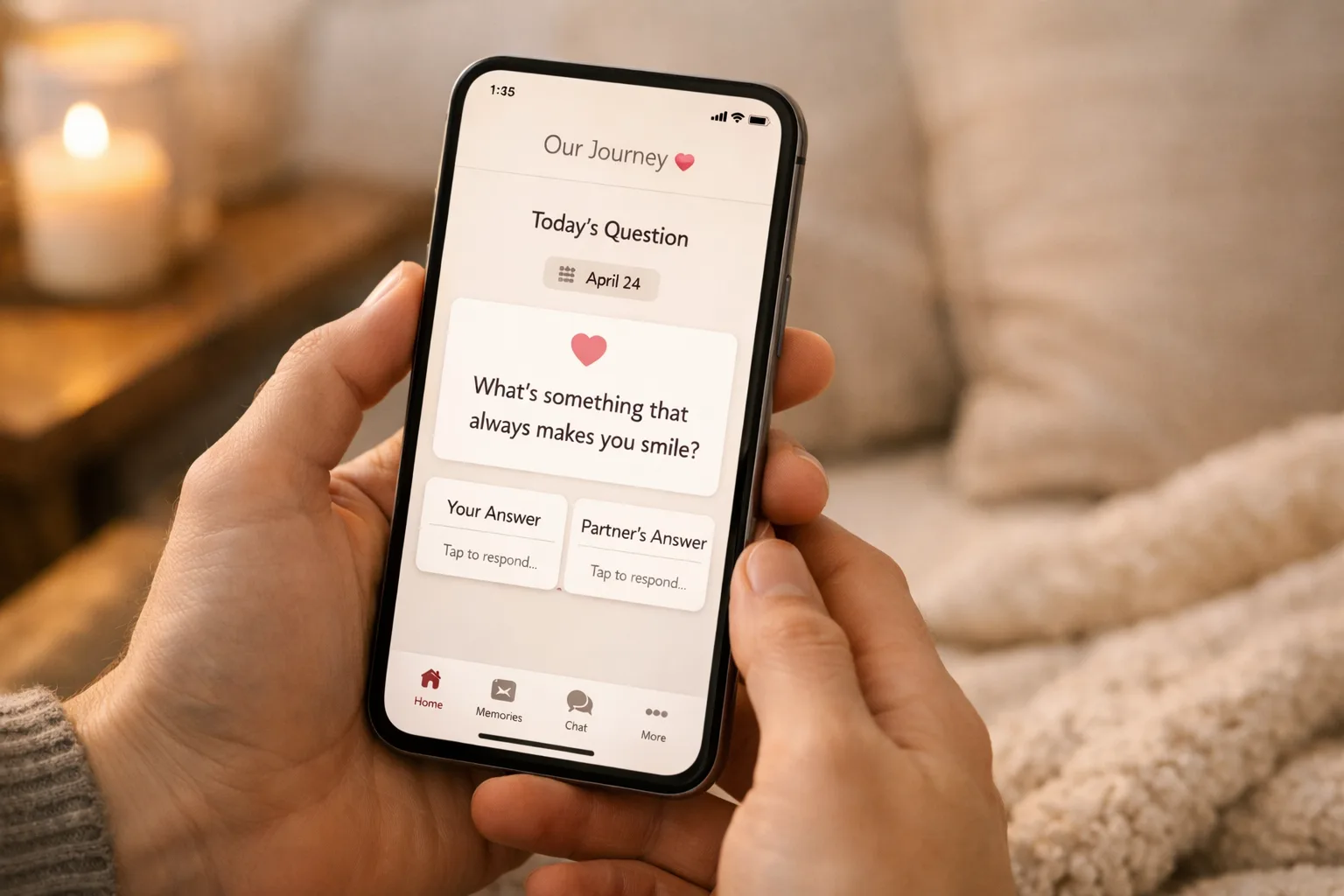
Listening Loft applies exactly the principles above: daily prompted check-ins that build Love Maps, structured reflection that surfaces bids for connection, and guided questions that turn small moments into meaningful ones.
It's not a replacement for doing the work. It's a structure that makes doing the work significantly easier. If you're unsure whether you need professional support or can start on your own, our guide on couples therapy alternatives can help you decide.
Sources & Further Reading
- Gottman, J. & Silver, N. — The Seven Principles for Making Marriage Work (1999)
- Gottman, J. — What Makes Love Last? (2012)
- Aron, A. et al. — "Couples' Shared Participation in Novel and Arousing Activities and Experienced Relationship Quality," Journal of Personality and Social Psychology (2000)
- Tsapelas, I. et al. — "Marital Boredom Now Predicts Less Satisfaction 9 Years Later," Psychological Science (2009)
- The Gottman Institute — gottman.com
Frequently Asked Questions About Relationship Advice
What is the best relationship advice for couples?
The most evidence-backed single piece of advice: prioritize small daily moments of connection over large gestures. Turn toward your partner's bids for connection. Maintain a 5:1 positive-to-negative ratio during conflict.
What relationship advice is actually underrated?
Boredom prevention. Most couples focus on reducing conflict — but novelty and shared new experiences are equally important for long-term satisfaction. Plan something new together regularly.
What common relationship advice is overrated?
"Never go to bed angry" and "communicate more." Both sound right but are often applied in ways that backfire. Better advice: pause instead of force, and focus on how you communicate, not how often.
Can AI give good relationship advice?
AI can provide evidence-based information, structured reflection prompts, and consistent daily check-ins. What it can't replace is genuine human empathy and professional therapeutic support when deeper issues are present. Tools like Listening Loft are designed to complement human connection — not replace it.
The Bottom Line
The best relationship advice for couples isn't new. It's been replicated in research labs for decades. The hard part isn't knowing it — it's applying it consistently, in the small moments, day after day.
That's what habits are for. And that's what Listening Loft is built around — making the right habits the easiest ones.
Ready to Grow Together?
Start your free couples check-in — no judgment, no pressure, just a warm space to understand each other better.